 judy
judyResponsible online casino play draws on the same discipline and mindfulness that wine lovers practice when enjoying date night wines or exploring platforms like moonbet.co betting. At Calona Vineyards, we’ve long championed the art of savoring experiences rather than rushing through them, and this philosophy translates perfectly to the world of online gaming. The same principles that guide thoughtful wine consumption, such as setting clear limits, understanding your tolerance, and knowing when to stop, apply directly to maintaining healthy gaming habits.
Jane Calona often reminds visitors that appreciation, whether of a carefully cellared Merlot or an evening’s entertainment, requires boundaries. The connection isn’t forced. Both activities offer pleasure and potential pitfalls when approached without intention. A wine enthusiast learns to recognize the difference between enjoying a glass and overindulging. Similarly, responsible gaming means establishing budgets before you begin, treating losses as the cost of entertainment rather than investments to recoup, and never chasing what’s already gone.
The parallels run deeper than you might expect. Wine culture teaches us to value quality over quantity, to appreciate the journey rather than race to an outcome, and to recognize that true enjoyment comes from control, not excess. These lessons, honed in tasting rooms and vineyards across generations, offer a proven framework for anyone seeking to enjoy online gaming responsibly while protecting both their wellbeing and their wallet.
The Unexpected Connection Between Wine Culture and Responsible Gaming
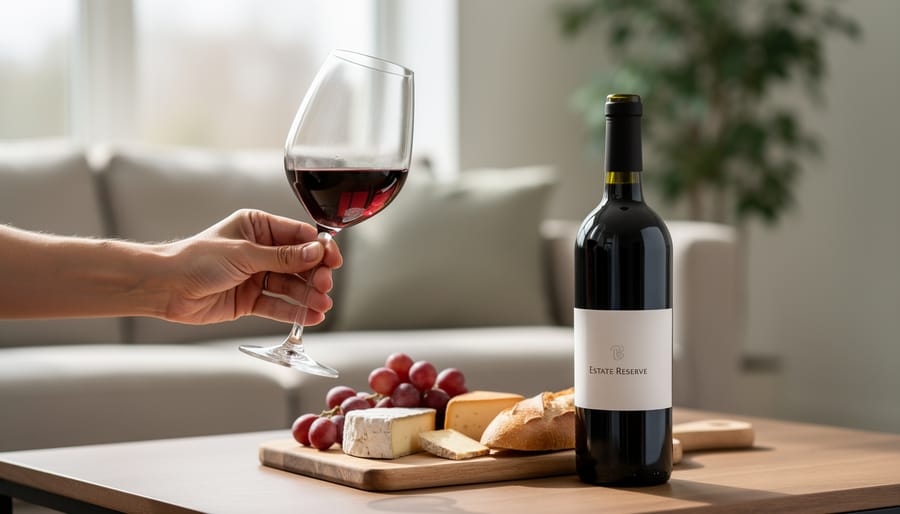
At first glance, wine appreciation and online casino gaming seem worlds apart. One involves swirling a glass and savoring complex flavors; the other, the digital spin of a slot machine or the flip of virtual cards. Yet both activities share surprising common ground in how they demand self-awareness, restraint, and intentionality from those who engage responsibly.
Consider how serious wine enthusiasts approach their passion. They don’t simply consume as much as possible. Instead, they set budgets for quality bottles, allocate specific times for tasting experiences, and understand their personal limits. They research, learn, and make informed choices about what they consume. This mindful framework mirrors exactly what responsible gaming advocates promote: knowing your limits before you start, setting financial boundaries, and treating the activity as entertainment rather than a necessity.
Both pursuits offer genuine pleasure and relaxation when approached thoughtfully. A carefully chosen wine can transform an ordinary evening into something memorable, just as a limited gaming session can provide legitimate entertainment. The risk emerges when pleasure-seeking overrides judgment, when one more glass becomes a pattern, or when chasing losses replaces simple enjoyment.
The wine world has long understood that education prevents excess. Tastings teach people to sip, not gulp, to appreciate rather than merely consume. Responsible gaming takes the same approach, encouraging players to understand odds, recognize the house edge, and view losses as the cost of entertainment rather than money to be won back.
What makes both communities valuable is their emphasis on quality over quantity. A wine lover would rather have one exceptional bottle than ten mediocre ones. Similarly, someone practicing responsible gaming finds more satisfaction in a well-planned, limited session than in hours of mindless play. The common thread? Intentionality transforms consumption into an experience worth having.
What Wine Lovers Can Learn from Responsible Gaming Principles
Setting Limits Before You Pour (or Play)
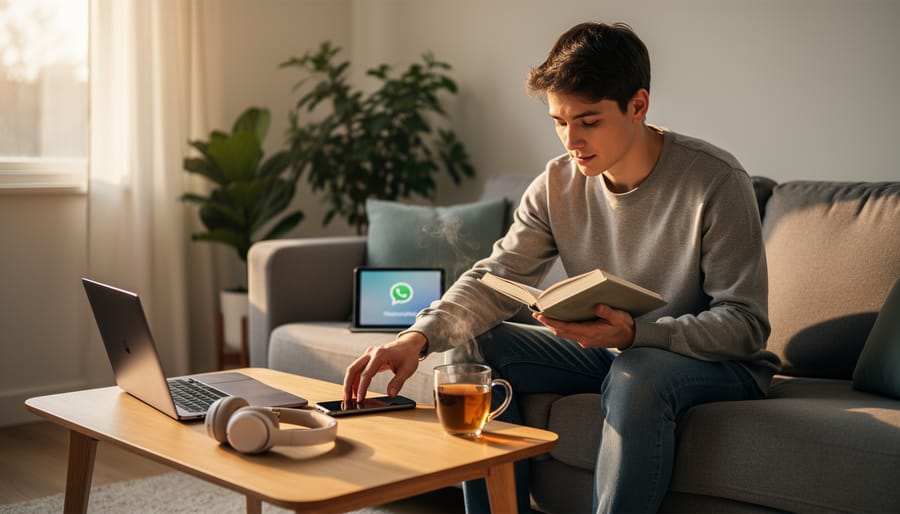
The best decisions about pleasure happen before you uncork the bottle or log into your account. Jane Calona advises setting clear parameters during moments of clarity, not when you’re already immersed in the experience. For wine, this might mean deciding you’ll enjoy two glasses with dinner, not the entire bottle. For online entertainment, establish a specific dollar amount you’re comfortable spending, money you’d allocate to any leisure activity, like concert tickets or a nice meal out.
Time boundaries matter equally. Choose in advance how long you’ll dedicate to either pursuit. Will you savor that wine over a leisurely two-hour dinner, or set time limits for an evening’s entertainment? Write these commitments down if it helps, there’s power in declaring your intentions before desire clouds judgment.
Consider practical safeguards too. Leave your credit cards in another room. Set phone alarms. Tell a friend your plans. These aren’t signs of weakness; they’re hallmarks of someone who understands that willpower alone isn’t always enough when pleasure’s involved.
Recognizing When Pleasure Becomes Problem
The line between savoring life’s pleasures and sliding into unhealthy patterns isn’t always obvious. Whether you’re drawn to a beautiful Pinot Noir or the excitement of online gaming, the warning signs often look remarkably similar, and recognizing them early matters more than most people realize.
One of the earliest red flags is preoccupation. If you find yourself constantly thinking about your next glass of wine during the workday, or mentally replaying last night’s gaming session when you should be focused elsewhere, pay attention. Another telltale sign is increasing tolerance: needing more wine to feel relaxed, or placing larger bets to experience the same thrill you once got from smaller stakes.
Financial strain provides perhaps the clearest signal. When you’re dipping into savings meant for other purposes, borrowing money, or lying about expenditures, whether for premium bottles or online wagers, the activity has moved beyond recreation. Similarly, using either wine or gaming as an emotional crutch to cope with stress, anxiety, or sadness suggests dependence rather than enjoyment.
The problem gambling warning signs identified by health professionals often mirror those of alcohol misuse: neglecting responsibilities, relationship conflicts, failed attempts to cut back, and continuing despite negative consequences. If you’ve tried to stop or reduce either behavior multiple times without success, that pattern itself deserves honest reflection. Self-assessment doesn’t require judgment, just courage to look clearly at the truth.
How Calona Vineyards’ Philosophy Embraces Mindful Enjoyment

At Calona Vineyards, we’ve always believed that wine should be savored, not rushed. This philosophy runs deeper than simply encouraging slower sips, it shapes everything from how we craft our wines to how we educate visitors about what’s in their glass.
When guests tour our facilities, we don’t just pour samples and send them on their way. We discuss terroir, explain our winemaking decisions (like the choice between filtered vs unfiltered approaches), and help people understand why certain bottles command higher prices. We want drinkers to appreciate the craftsmanship behind each vintage rather than viewing wine as mere alcohol content.
This educational focus naturally discourages excess. When you understand that a particular Merlot took careful vineyard management, precise fermentation temperatures, and months of barrel aging to develop its character, you’re less likely to pour it carelessly or drink without attention. Knowledge breeds respect.
The same principle applies beyond wine. When we approach any pleasure, whether tasting a rare vintage or trying our luck at entertainment, understanding the mechanics, risks, and nuances leads to more intentional choices. Someone who grasps how casino algorithms work, for instance, engages differently than someone chasing losses without comprehension.
Quality over quantity isn’t just a catchphrase at Calona. It’s a framework for living well. We’d rather see someone thoroughly enjoy two excellent glasses of wine over an evening than mechanically consume a mediocre bottle. This mindset, choosing experiences that genuinely enrich rather than merely fill time, translates beautifully to how we structure all our leisure activities, keeping pleasure sustainable and life balanced.
Building Your Personal Framework for Balanced Pleasure
Creating a personal framework for balanced pleasure isn’t about restricting joy, it’s about amplifying it through intentionality. When you savor rather than consume, when you choose rather than default, you transform ordinary indulgences into meaningful experiences.
Start by getting honest with yourself about your relationship with pleasure. Do you reach for a second glass of wine because you genuinely want to explore its evolving flavors, or because you’re avoiding something? Do you open that gaming app because you’re genuinely entertained, or because you’re bored and impulsive? Self-awareness is the foundation of any sustainable framework.
- Define your “why” for each activity. Write down what you genuinely value about wine tasting or online entertainment. Is it the social connection? The sensory experience? The thrill? Understanding your motivation helps you recognize when an activity stops serving that purpose.
- Set specific, measurable boundaries before you begin. Decide in advance: “I’ll spend $50 this month on wine exploration” or “I’ll dedicate 30 minutes to this casino game tonight.” Concrete limits protect you from in-the-moment rationalization.
- Create friction points between impulse and action. Put your credit card in another room. Schedule wine purchases rather than browsing when stressed. Install app blockers that require deliberate override. Small barriers give your rational brain time to catch up.
- Build in regular check-ins with yourself. Weekly or monthly, review your spending and time across all pleasure activities. Are you still within your boundaries? Are you getting the joy you intended? Adjust as needed without judgment.
- Cultivate alternative pleasures that don’t carry the same risks. Pair a Tuesday evening cheese and wine exploration with friends, take a cooking class, or explore a new hiking trail. Diversifying your sources of pleasure reduces over-reliance on any single activity.
The most effective frameworks aren’t rigid rules but flexible guidelines that evolve with you. What works during a relaxed summer might need adjustment during stressful work periods. Jane Calona often reminds visitors that wine appreciation deepens when you respect both the wine and yourself enough to stay present with it.
Consider keeping a simple pleasure journal. Note what you consumed, how much you spent, and how you felt afterward. Patterns emerge quickly. You might discover that your most satisfying wine experiences involve smaller quantities with good company, or that online gaming past 10 PM consistently leaves you regretful.
The goal isn’t perfection. Some weeks you’ll exceed your limits. The framework’s value lies in making those exceptions conscious choices rather than unconscious habits, in helping you return to balance rather than spiral into excess.
When Wine and Online Entertainment Mix: A Word of Caution
Mixing wine with online casino play creates a dangerous synergy that compounds the risks of both activities. Alcohol’s well-documented effects on judgment and impulse control become particularly problematic when combined with the instant-access nature of digital gaming platforms.
When you’ve enjoyed a glass or two, your brain’s prefrontal cortex, responsible for rational decision-making, shows measurably reduced activity. The same careful consideration you’d apply to a pairing chart disappears when alcohol meets the dopamine rush of gaming. You’re more likely to chase losses, ignore your preset limits, and make bets you’d never consider sober.
The combination also affects your perception of time and money. That $50 you budgeted for entertainment suddenly feels negotiable after a few drinks. Minutes blur into hours. The natural stopping points you’d normally recognize simply don’t register.
If you enjoy both wine and online entertainment, keep them separate. Finish your gaming session before opening a bottle, or enjoy your wine first and log off entirely. Never keep casino tabs open during wine tastings or dinner parties. The temporary pleasure of combining them isn’t worth the financial and emotional fallout that often follows.
Resources for Responsible Living in 2026
Finding support shouldn’t feel like admitting defeat, it’s actually a sign of strength and self-awareness. Whether you’re looking to deepen your wine knowledge or need guidance around gaming habits, these resources offer judgment-free assistance tailored to 2026’s evolving landscape.
- National Council on Alcoholism and Drug Dependence (NCADD): Comprehensive education on responsible alcohol consumption with local chapter referrals
- National Problem Gambling Helpline (1-800-522-4700): 24/7 confidential support available via phone, text, or chat
- Gamblers Anonymous: Peer-led support groups meeting both in-person and virtually across all time zones
- SAMHSA National Helpline (1-800-662-4357): Free, confidential treatment referrals for substance concerns, including alcohol
- Responsible Gaming Council: Educational resources and self-assessment tools for players and families
- Wine Spectator’s Learning Center: Evidence-based information on wine appreciation and health-conscious consumption
Most importantly, talk to someone you trust. Whether that’s a friend, family member, healthcare provider, or counselor, opening up about concerns often provides immediate relief and practical perspective. Many employee assistance programs now include confidential support for both substance and behavioral concerns at no cost to you. The path to balanced living rarely requires perfection, just honest self-reflection and the willingness to reach out when you need a hand.
Whether you’re savoring a glass of our estate Pinot Noir or exploring online entertainment, the principle remains constant: intentionality transforms pleasure from mindless consumption into meaningful experience.
Throughout my years at Calona Vineyards, I’ve witnessed how people who learn to appreciate wine thoughtfully, who pause to notice the layers of flavor, who set boundaries around their consumption, who choose quality over quantity, often carry that discipline into other aspects of their lives. The self-awareness you develop while learning to enjoy wine responsibly isn’t confined to your glass. It becomes a lens through which you approach all of life’s pleasures.
The connection between responsible wine culture and balanced gaming isn’t forced or abstract. Both require honesty with yourself about your limits, both benefit from education and preparation, and both offer richer rewards when approached with intention rather than impulse.
As you explore your passions in 2026, remember that true connoisseurship, whether of wine, entertainment, or life itself, lies not in excess but in appreciation. Set your boundaries before you pour. Know when to step away. And above all, ensure that pleasure enhances your life rather than complicates it.