 judy
judyA good Italian red wine balances authentic regional character with drinkability and value. It doesn’t need to cost a fortune or require a sommelier to decode the label. The best Italian reds deliver expressive flavors that enhance food, represent their terroir honestly, and offer quality that justifies their price point, whether that’s $15 or $150.
Italy produces more wine diversity than any other country, which makes choosing a bottle both exciting and intimidating. With 20 regions, hundreds of indigenous grape varieties, and classification systems that confuse even experienced collectors, beginners often freeze in the wine aisle or default to the same safe choices repeatedly. That’s a shame, because Italian reds offer some of the world’s most food-friendly, distinctive wines once you understand what to look for.
This guide cuts through Italy’s complexity without dumbing down the wine itself. You’ll learn how to evaluate quality in concrete terms, discover the major style categories that matter more than memorizing every DOCG zone, and walk away with specific bottles to buy in 2026 based on what you actually want to drink and eat.
Jane Calona, whose expertise has guided thousands of wine enthusiasts from confusion to confidence, emphasizes a practical approach: “Stop chasing scores and start thinking about context. The ‘best’ Italian red is the one that fits your meal, your budget, and your personal taste, not the one that impresses someone else.” That philosophy shapes everything ahead, from understanding grape profiles to pairing wines with your weeknight pasta or weekend dinner party.
What ‘Good’ Actually Means for Italian Red Wine
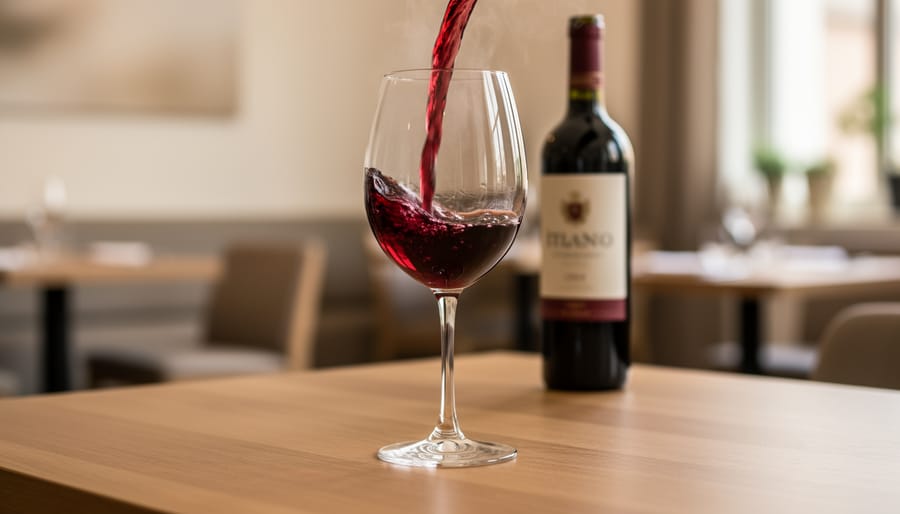
A good Italian red wine isn’t about price tags or impressive-sounding names. It’s about balance, drinkability, and how well the wine fits into your life, especially at the dinner table. Italian winemakers have spent centuries refining wines meant to enhance food rather than dominate it, which fundamentally changes what “good” means compared to wines designed to impress on their own.
Balance sits at the heart of quality. When a wine is balanced, no single element overpowers the others. The fruit, acidity, tannins, and alcohol all work together rather than competing for attention. You shouldn’t notice harshness, excessive sweetness, or a burning alcohol sensation. Instead, each sip should feel harmonious and invite the next one.
Drinkability matters more than complexity for most occasions. A good Italian red should make you want to pour a second glass, not leave you analyzing every nuance like homework. If a wine feels pleasant and natural rather than challenging or fatiguing, that’s a sign of quality craftsmanship. Italian reds typically achieve this through bright acidity that keeps your palate refreshed rather than heavy fruit that weighs it down.
Understanding a few basic terms helps when judging wine for quality:
- Balance
- When fruit, acidity, tannins, and alcohol complement each other without one element overpowering the rest.
- Tannins
- Compounds from grape skins that create a drying sensation in your mouth, like strong black tea. They give red wine structure and help it pair with fatty foods.
- Acidity
- The refreshing, mouth-watering quality that makes wine lively and food-friendly. Higher acidity cuts through rich dishes and prevents wine from tasting flat.
- Body
- How heavy or light a wine feels in your mouth, ranging from light and delicate to rich and coating.
- Terroir
- The combination of soil, climate, and location that gives wines from specific regions their distinctive character.
- DOC/DOCG
- Italian quality designations guaranteeing wines meet strict regional standards. DOCG represents the highest classification.
Authenticity also signals quality. Good Italian wines taste like their place of origin rather than trying to mimic international styles. A proper Chianti should express Sangiovese’s cherry brightness and earthy undertones, not taste like it’s imitating California Cabernet.
Value doesn’t necessarily mean cheap, but it does mean you’re getting quality that matches what you paid. Italy offers exceptional value across price points because winemaking traditions run deep and competition keeps prices honest. A fifteen-dollar bottle from a conscientious producer often delivers more satisfaction than a hyped forty-dollar option.
Jane Calona reminds beginners to trust their own palate above all else: “Wine scores and expert opinions can guide you, but they can’t tell you what you’ll enjoy. If a wine makes you happy and works with the foods you love, it’s a good wine for you, regardless of whether it earned 95 points from a critic you’ve never met.”
The Main Types of Italian Red Wine Beginners Should Know
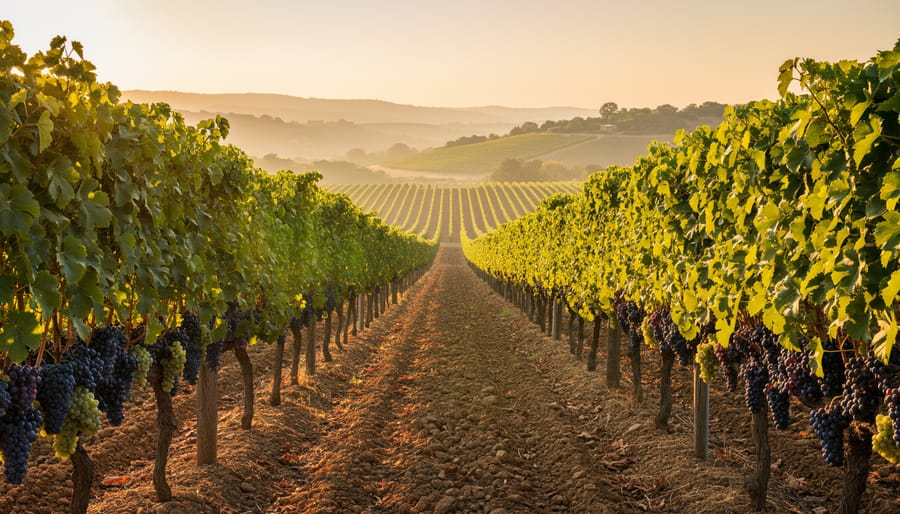
Light and Easy-Drinking Reds
If you’re new to Italian reds, these three styles offer the perfect starting point. They won’t pummel your palate with tannins or demand years of aging, they’re meant to be enjoyed young, slightly chilled, and often.
Valpolicella from the Veneto region delivers bright cherry and red berry flavors with a hint of almond on the finish. It’s light but not thin, with enough structure to stand up to food without overwhelming delicate dishes. Look for bottles simply labeled “Valpolicella” rather than “Valpolicella Ripasso” or “Amarone”, those are bolder, more complex styles for later.
Bardolinoalso from Veneto, is even lighter and more refreshing. Think of it as Italy’s answer to Beaujolais, soft, fruity, with barely-there tannins. Serve it slightly chilled (about 55-60°F) alongside summer salads, grilled vegetables, or light pasta dishes with olive oil and herbs.
Dolcettodespite its name suggesting sweetness, is a dry red from Piedmont with juicy dark fruit and gentle acidity. It’s approachable enough for Tuesday night pizza but interesting enough to hold your attention. The wine’s soft tannins and low acidity make it forgiving with a wide range of foods.
These wines typically cost $12-20 and rarely improve with age. Buy them, chill them slightly, and drink them within a year or two. They’re weeknight wines in the best possible sense, unpretentious, food-friendly, and genuinely enjoyable without requiring a wine degree to appreciate.
Medium-Bodied Everyday Favorites
These three wines form the backbone of Italian dining culture because they’re reliably good without demanding much of your wallet or your wine knowledge. You’ll find them in nearly every Italian restaurant and wine shop, and they all share a common trait: they make food taste better rather than competing with it.
Chianti comes from Tuscany and is built primarily on Sangiovese grapes. It’s the quintessential red-sauce wine, with bright cherry flavors and a savory, almost herbal quality that cuts through rich tomato dishes. Standard Chianti is your weeknight option, while Chianti Classico (from the historic heartland) steps up in concentration and structure. The wine’s natural acidity refreshes your palate between bites rather than coating it.
Montepulciano d’Abruzzo delivers more fruit-forward punch at similar price points. This one’s darker, juicier, softer. Think of it when you want something round and generous that still pairs well with food but also stands on its own during a casual evening. It’s the crowd-pleaser that nobody complains about.
Barbera bridges the gap between these two. Originally from Piedmont, it combines Chianti’s brightness with Montepulciano’s fruit richness. Lower in tannins but high in acidity, Barbera works beautifully with everything from pizza to grilled sausages to creamy pasta dishes. It’s also surprisingly age-friendly if you find a good producer.
When shopping for these wines, a few label terms signal you’re getting something above the basic tier:
- Riserva: aged longer before release, resulting in more complexity and balance
- Superiore: typically from better vineyard sites with stricter production standards
- Estate-bottled: the producer grew and made the wine, ensuring quality control
- Vintage date: indicates the wine comes from a single year rather than a blend of harvests
None of these categories requires decanting or special handling. Open them thirty minutes before dinner, pour into regular wine glasses, and they’ll do exactly what Italian reds do best: make your meal more enjoyable without demanding attention for themselves.
Bold, Full-Bodied Options
Bold wines intimidate beginners, but they shouldn’t. These fuller-bodied Italian reds carry more weight, deeper flavors, and firmer tannins, yet they’re perfectly accessible if you understand what you’re tasting and why.
Barolo comes from the Nebbiolo grape in Piedmont. It’s often called the “King of Wines,” which sounds fancy but really just means it has serious structure. You’ll find flavors of cherry, rose, tar, and earth. The tannins grip your mouth, especially in younger bottles, but that’s what makes Barolo brilliant with rich foods like braised meats or aged cheeses. Look for bottles labeled with good recent vintages like 2019 or 2020. Expect to spend $40 and up, though some entry-level options exist around $30.
Brunello di Montalcino uses Sangiovese grapes grown in Tuscany’s warmest microclimate. It tastes richer and rounder than Chianti, with dark cherry, leather, and tobacco notes. Brunello must age five years before release (two in oak barrels), so every bottle you buy has already mellowed. This built-in aging makes it more approachable than Barolo for beginners. Prices start around $40 for solid producers.
Amarone della Valpolicella takes a completely different approach. Producers dry the grapes before fermentation, concentrating sugars and flavors into something almost port-like. You get raisined fruit, chocolate, and spice in a wine that feels luxurious and smooth despite high alcohol (often 15-16%). It’s the easiest of these three to enjoy without food, though it pairs beautifully with hard cheeses or rich stews.
Start with one bottle when you want to mark an occasion or splurge on dinner. These aren’t everyday wines, but they’ll show you what Italian reds can become with time and tradition behind them.
How Italian Red Wine Works with Food
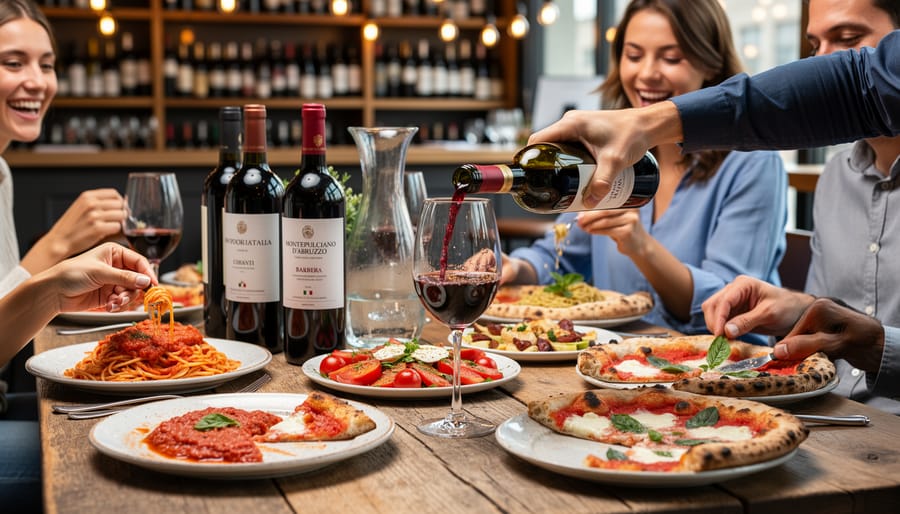
Italian red wine doesn’t follow the “pair red with meat, white with fish” rulebook. Instead, it’s built around a simpler idea: wine should make food taste better, and food should make wine taste better. This approach comes from centuries of Italians drinking local wine with local food at nearly every meal, creating natural partnerships that just work.
The secret lies in how Italian reds are structured. Most have bright acidity and moderate tannins, which cut through rich, fatty dishes and refresh your palate between bites. Think about a Chianti with a tomato-based pasta, the wine’s acidity matches the tomatoes’ acidity, creating balance rather than clash. That same Chianti alongside olive oil-dressed ribollita? The wine cuts through the oil, preventing palate fatigue. This is why acidity and tannins matter more than matching color to protein.
Italian wine culture also follows regional logic. Wines evolved alongside the local food, so Barolo from Piedmont naturally complements that region’s truffle dishes and braised meats, while Montepulciano d’Abruzzo pairs effortlessly with Abruzzo’s lamb arrosticini. You don’t need to memorize pairings, just remember that wines and dishes from the same region usually share compatible flavor profiles.
Here are beginner-friendly principles that work across the board. Match weight with weight: light wines like Valpolicella with lighter fare such as mushroom risotto, fuller wines like Brunello with heavier braises or aged cheeses. Consider the sauce more than the protein, a chicken dish in cream sauce wants a different wine than chicken cacciatore in tomato sauce. Tannins love fat and protein, so tannic wines such as young Barolo improve dramatically alongside fatty meats or hard cheeses like Parmigiano-Reggiano.
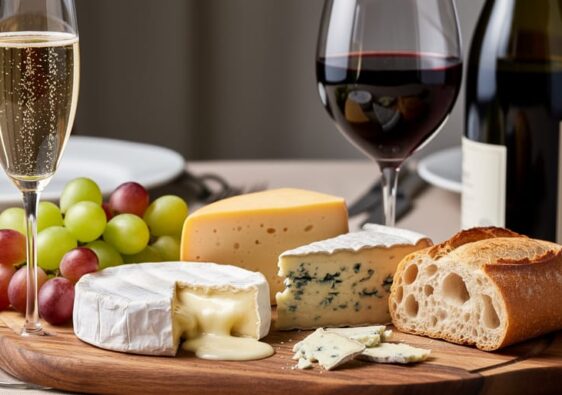
Don’t overthink it. If you’re eating tomato-based dishes, reach for a wine with good acidity. Grilled or roasted meats? Go for something with structure and tannins. Cured meats and cheeses? Almost any Italian red works, but lighter styles let delicate flavors shine while bolder wines stand up to intense aged cheeses.
The real test is simple: does each sip make you want another bite, and each bite another sip? If yes, you’ve found a good pairing, regardless of what any chart says.
Where to Start: Recommended Wines for Beginners in 2026
Walking into the wine aisle shouldn’t feel like decoding ancient scrolls, but Italian wine labels can seem designed to confuse. Here’s what to actually buy when you’re starting out, organized by what you’ll realistically spend.
Before you shop, know this: Italian wine labels prioritize place over grape. Look for the region name (like Chianti or Valpolicciano) in large letters, often with “DOC” or “DOCG” underneath, these designations guarantee the wine meets regional standards. The producer’s name matters more than fancy marketing. Stick with these recommendations and you’ll avoid the dusty bottles that have been sitting unsold for good reason.
Under $15: Everyday Drinking
These wines punch above their price point and pair well with weeknight meals. You’re looking for honest, straightforward bottles that taste like wine, not like marketing budgets.
Ruffino Chianti: Reliable cherry and herb notes, works with tomato-based dishes, available everywhere. Banfi Centine Toscana Rosso: Soft and approachable, blends Sangiovese with other grapes for easy drinking. Cantina Zaccagnini Montepulciano d’Abruzzo: Juicy dark fruit, low tannins, friendly with pizza and pasta. Zenato Valpolicella: Bright and light, serve slightly chilled with antipasti or grilled vegetables.
Jane Calona’s take: “Don’t skip this price range thinking cheap means bad. Some of my favorite Tuesday-night wines cost twelve dollars. You’re learning what you like, save the splurge bottles for when you know your preferences.”
$15-25: The Sweet Spot
This range delivers noticeably more complexity and regional character. You’ll taste why certain areas earned their reputations.
Allegrini Valpolicella: Step up in concentration and depth from basic Valpolicella, with darker fruit and subtle spice. Barone Ricasoli Chianti Classico: From Chianti’s historic heartland, offers classic Tuscan character, dried cherries, leather, bright acidity. Illuminati Riparosso Montepulciano d’Abruzzo: Richer and more structured than the basic bottling, handles grilled meats beautifully. Vietti Barbera d’Asti: Showcases Barbera’s signature bright acidity and red fruit, cuts through rich foods without overwhelming them.
$25-40: Special Occasion Territory
When you want to impress guests or explore what Italian reds can really do, these bottles reward the investment.
Masi Costasera Amarone: Entry-level Amarone that introduces the style’s concentrated, raisiny richness without the shock of $60-plus bottles. Poderi Aldo Conterno Barbera d’Alba: Serious Barbera that shows how food-friendly acidity works with elegant structure. Banfi Brunello di Montalcino: Approachable Brunello with enough aging to drink now, or cellar for five years if you’re patient.
At the shop, don’t hesitate to ask for help, but be specific: tell them your budget, what you’re eating, and that you want classic regional character, not something trying to taste like California Cabernet. The best wine shops will steer you toward producers who respect tradition while keeping prices sane.
Common Questions About Italian Red Wine
Do Italian red wines need to age before drinking?
Most Italian reds are ready to drink when you buy them, especially everyday wines like Chianti, Montepulciano d’Abruzzo, and Valpolicella. Only premium bottles like Barolo, Brunello, and Riserva-level wines truly benefit from aging, and even those are often released when they’re approachable.
How do I know if a wine is too old?
Check the vintage on the bottle. For most Italian reds, anything more than five years old should be from a reputable producer and stored properly. If the wine tastes flat, overly vinegary, or has lost its fruit character entirely, it’s past its prime.
What’s the difference between Chianti and Chianti Classico?
Chianti Classico comes from the historical heartland of the Chianti region and follows stricter production standards, resulting in more complex, age-worthy wines. Regular Chianti comes from a broader area and tends to be lighter and more affordable, perfect for everyday drinking.
Should I decant Italian red wine?
Young, tannic wines like Barolo, Brunello, and Amarone benefit from 30-60 minutes of decanting to soften and open up. Everyday wines like Chianti and Barbera don’t need it, though a quick 15-minute decant won’t hurt if you have time.
How should I store an opened bottle?
Recork it tightly and keep it in the fridge, even for reds. Most Italian reds will stay drinkable for 3-5 days this way. The cold slows oxidation, and you can let the wine come back to room temperature before serving again.
What temperature is best for serving Italian reds?
Lighter reds like Valpolicella taste best slightly chilled (55-60°F), while medium-bodied wines like Chianti work at cool room temperature (60-65°F). Full-bodied wines like Barolo prefer closer to 65°F. Most of us serve red wine too warm, 15 minutes in the fridge before opening helps.
One question beginners often overlook: can you make wine at home using Italian grape varieties? While it’s challenging to replicate traditional Italian reds without access to Sangiovese or Nebbiolo grapes, many home winemakers experiment with 5-gallon wine recipes using Italian-style techniques on local fruit. That said, buying authentic Italian reds remains the most reliable way to experience what these wines truly offer.
The biggest misconception beginners have is that they need to understand everything before they can enjoy Italian wine. You don’t. Focus on what tastes good to you, note which wines you’d buy again, and gradually you’ll develop preferences that guide your choices more reliably than any expert rating ever could.
Finding a good Italian red wine doesn’t require years of study or a sommelier’s vocabulary. It requires curiosity, a willingness to try different bottles, and trust in your own palate. Start with the approachable wines we’ve covered, from easy-drinking Valpolicella to food-friendly Chianti, and gradually explore bolder styles as your confidence grows.
Keep simple tasting notes on your phone or in a notebook. Jot down what you liked, what you paired it with, and whether you’d buy it again. This personal record becomes far more valuable than any expert’s score. Try the same wine with different foods to see how pairing transforms both the dish and the bottle. Experiment with wines from regions you haven’t explored yet.
If you’re interested in deepening your understanding beyond drinking, consider exploring beginner wine making to see winemaking from the inside. Pay attention to wine storage tips to ensure bottles you buy stay in good condition.
Jane Calona reminds us that wine snobbery has no place in genuine wine appreciation. Your preferences matter more than anyone else’s tasting notes. If you love a $12 Montepulciano more than a $60 Barolo, that’s not wrong, it’s just your taste. The best Italian red wine is simply the one you enjoy drinking.