 judy
judyThe best cheese and wine pairings follow a simple principle: match intensity with intensity, and balance similar or contrasting flavors. A creamy triple-cream Brie softens beautifully alongside Champagne’s acidity, while a sharp aged cheddar stands up to the bold fruit of Cabernet Sauvignon. These combinations aren’t arbitrary traditions but deliberate flavor partnerships where fat content, salt levels, texture, and aging characteristics interact with a wine’s acidity, tannins, and aromatic profile.
Most home entertainers overthink cheese boards, but the science behind successful pairings is remarkably intuitive once you understand the framework. Soft cheeses with high butterfat need wines with bright acidity to cleanse the palate. Hard, aged varieties with crystalline texture and concentrated flavors require wines with enough structure to match their intensity. Blue cheeses, often the most challenging category, find harmony in sweet wines where residual sugar tempers pungent saltiness.
The chart ahead focuses on ten foundational pairings that work reliably across price points and availability. I’ve chosen combinations you’ll actually use, whether you’re hosting a casual weekend gathering or building a more ambitious tasting flight. Each pairing highlights a specific flavor mechanism, from the classic goat cheese and Sauvignon Blanc citrus echo to the surprising affinity between washed-rind cheeses and aromatic whites.
Understanding these core relationships gives you confidence to improvise. Once you grasp why Gruyère loves Chardonnay or why Port transforms Stilton, you can apply those principles to unfamiliar cheeses and expand your repertoire beyond rote memorization.
Why These Pairings Work: The Science Behind the Classics
The ten pairings in this guide weren’t chosen at random, they represent principles that explain why certain cheeses and wines have been enjoyed together for centuries. Understanding these fundamentals transforms you from someone who follows a wine and food pairing chart into someone who can confidently create their own combinations.
The first principle is flavor balance. Acidity in wine cuts through fatty, creamy cheeses, which is why sparkling wine works beautifully with Brie. Tannins bind to proteins and fats, making bold red wines ideal partners for aged, hard cheeses. Salt amplifies fruit flavors in wine while tempering bitterness. When you grasp these interactions, you’ll understand why a particular pairing feels right on your palate.
Regional harmony is another powerful guide. Wines and cheeses that developed in the same terroir often share flavor characteristics, the herbaceous quality of Loire Valley Sauvignon Blanc echoes the grassy notes in local chèvre because both reflect the same soil and climate. This “what grows together goes together” philosophy rarely steers you wrong.
Intensity matching ensures balance. A delicate fresh mozzarella would disappear next to a powerful Cabernet Sauvignon, just as a pungent aged Stilton would overwhelm a light Pinot Grigio. The goal is harmony, where both elements enhance each other rather than compete.
“Once you internalize these principles,” Jane Calona notes, “you’ll stop relying on memorized lists and start trusting your own palate. The classics teach the grammar; you write your own sentences.”
1. Aged Cheddar and Cabernet Sauvignon: The Bold Power Couple
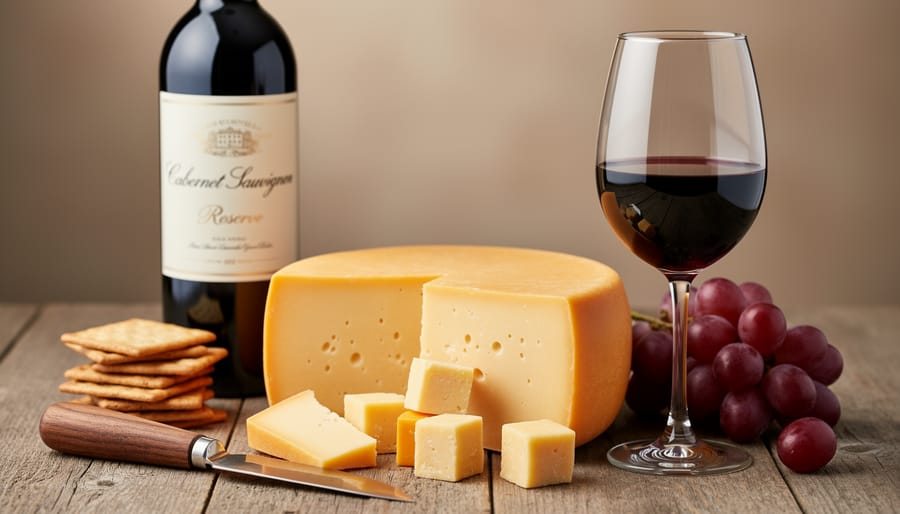
Sharp, crystalline aged cheddar brings a powerful nuttiness and satisfying crunch that demands an equally bold wine partner. Enter Cabernet Sauvignon, the full-bodied red that stands up to cheddar’s intensity without backing down.
The magic here is all about balance. Aged cheddar is high in fat and protein, which can coat your palate and dull your taste buds. Cabernet’s firm tannins cut through that richness like a knife, cleansing your mouth between bites. Meanwhile, the wine’s dark fruit notes, think blackcurrant, blackberry, and plum, complement the cheese’s toasted, almost caramelized flavors that develop during aging.
When you’re shopping, look for cheddar aged at least 12 months, preferably 18 to 24. You’ll know it’s properly aged when you see those white, crunchy calcium lactate crystals throughout. For the wine, choose a Cabernet with good structure and moderate oak. Napa Valley Cabs work beautifully, but don’t overlook Bordeaux blends or Australian Cabernet for variety.
The pairing gets even better when you add a drizzle of honey or some toasted walnuts to the plate. The slight sweetness bridges any remaining gap between cheese and wine, creating a trio that showcases why this combination has earned its classic status.
2. Brie and Champagne: Creamy Meets Crisp
Brie and Champagne represent one of France’s most luxurious yet approachable pairings, combining soft, buttery cheese with bright, effervescent wine. The magic lies in how the high acidity and persistent bubbles in Champagne cut through Brie’s rich, creamy texture, cleansing your palate after each bite and preventing flavor fatigue.
When selecting Brie, look for wheels with supple, yielding interiors and edible white rinds that smell earthy and mushroomy, not ammoniac. Younger Brie offers mild, milky sweetness, while aged versions develop deeper mushroom and truffle notes. Both work beautifully with Champagne’s toasty, yeasty character.
The wine’s carbonation acts like a palate scrubber, lifting away the butterfat coating while its acidity brightens the cheese’s subtle flavors. Brut Champagne, with its dry profile and citrus notes, provides the perfect counterpoint to Brie’s richness without overwhelming its delicate taste.
This pairing shines at celebrations but works equally well for weeknight indulgence. You can substitute other sparkling wines like Crémant or quality Prosecco, though traditional Champagne’s complexity elevates the experience. Serve Brie at room temperature for at least 30 minutes before pairing, allowing its flavors to fully bloom and its texture to soften into that signature oozy consistency.
3. Goat Cheese and Sauvignon Blanc: The Loire Valley Legend
Fresh goat cheese and Sauvignon Blanc represent one of France’s most intuitive pairings, rooted in the terroir of the Loire Valley where both originate. The wine’s bright acidity and herbaceous character, think cut grass, green bell pepper, and citrus zest, mirror the tangy, lemony freshness of young chèvre. This isn’t coincidental; the limestone-rich soils that produce crisp Loire Sauvignon Blanc also nourish the goats whose milk becomes these celebrated cheeses.
The magic happens on your palate when the wine’s zippy acidity cuts through the cheese’s creamy richness without overwhelming its delicate, slightly acidic flavor. Instead of competing, they amplify each other. The wine’s mineral backbone complements the cheese’s chalky texture, while grassy notes in both create a harmonious echo effect.
Jane’s tip: age matters significantly with goat cheese. Fresh chèvre (less than two weeks old) works beautifully with vibrant, unoaked Sauvignon Blanc from Sancerre or Pouilly-Fumé. As the cheese ages and develops a firmer texture and more pronounced tang, you can handle slightly richer expressions of the wine. For beginners, start with the youngest, creamiest goat cheese you can find, it’s forgiving, approachable, and lets you taste why this regional pairing has endured for centuries.
4. Parmigiano-Reggiano and Chianti: Italian Soul Mates
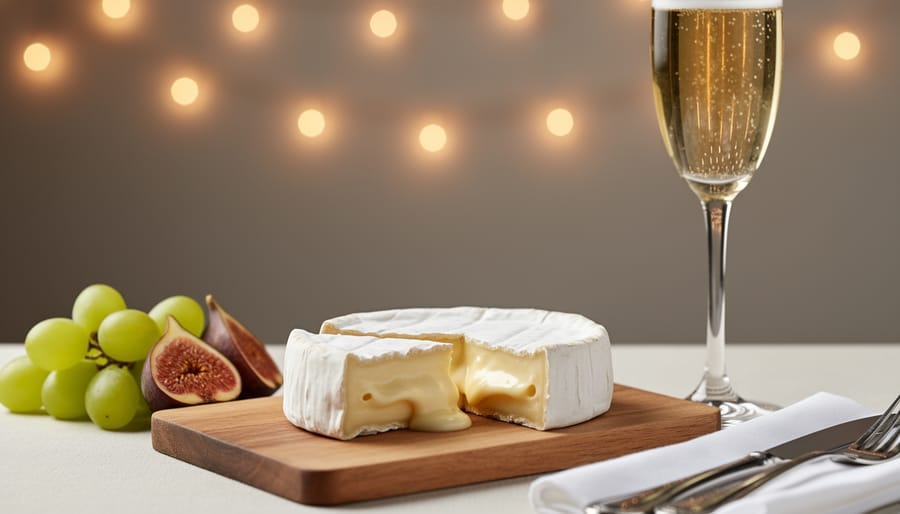
Parmigiano-Reggiano and Chianti share the sun-drenched hills of Tuscany, making this one of Italy’s most natural pairings. The cheese’s hard, crystalline texture and concentrated umami flavor create a savory foundation that brings out Chianti’s bright cherry and red fruit notes. Meanwhile, the wine’s characteristic acidity cuts through the cheese’s richness, cleansing your palate between bites.
What makes this pairing exceptional is how each component amplifies the other. Parmigiano-Reggiano, aged 24 months or longer, develops complex nutty and caramel notes that echo Chianti’s earthy undertones. The wine’s moderate tannins don’t overpower the cheese, they complement its granular texture perfectly.
For serving, break the Parmesan into irregular chunks rather than slicing it. This exposes more surface area and releases aromatic compounds. Add toasted walnuts or almonds alongside, and drizzle aged balsamic vinegar or chestnut honey over the cheese just before serving. The sweetness bridges any gap between cheese and wine while honoring traditional Tuscan flavor profiles.
This pairing works equally well as an antipasto or a simple weeknight pleasure. Pour a Chianti Classico for more structure, or choose a younger Chianti for lighter, fruit-forward drinking. Either way, you’re experiencing centuries of Italian food wisdom in one perfect bite.
5. Blue Cheese and Port: Sweet Meets Savory
Blue cheese and Port stand as perhaps the most dramatic example of contrast pairing in the wine world. Take a wedge of pungent Stilton or Roquefort, those bold, veiny blues with their sharp, salty bite, and pair them with a glass of sweet, fortified Port. The combination shouldn’t work on paper, yet it’s transcendent on the palate.
The secret lies in how sweetness tames intensity. Port’s rich, syrupy fruit notes (think dark berries, figs, and chocolate) cushion the cheese’s aggressive saltiness and ammonia-like pungency. Each element becomes more approachable through the other. The cheese makes the wine taste less cloying, while the wine softens the cheese’s sharp edges into something luxurious rather than overwhelming.
This pairing shines as a dessert course, replacing traditional sweets with something more sophisticated. It’s also the perfect gateway for people who claim they don’t like blue cheese. The Port’s sweetness provides a comforting bridge, allowing newcomers to appreciate the cheese’s complexity without feeling assaulted by its boldness.
Try a Tawny Port with milder Gorgonzola dolce if you’re easing into this pairing, or go full-throttle with Vintage Port and aged Stilton for maximum impact. Add honeycomb or walnuts to the plate for textural contrast. Once you master this principle of sweet balancing savory, you can apply it across wine pairing, it’s as foundational as the methods in our Chianti guide for understanding Italian wine structure.
6. Manchego and Rioja: Spain’s Perfect Match
Manchego, Spain’s most famous sheep’s milk cheese, finds its ideal partner in Rioja, the country’s beloved Tempranillo-based red wine. Both hail from Spain’s heartland and share an unmistakable terroir-driven character that makes this pairing feel inevitable once you’ve tried it.
The firm, slightly granular texture of Manchego releases nutty, buttery flavors with hints of caramel and lanolin, a distinctly sheepy richness that never turns gamey. Rioja’s medium body, red fruit notes, and earthy undertones complement rather than compete with these qualities. The wine’s oak aging (look for Crianza, Reserva, or Gran Reserva designations) adds vanilla and spice that echo the cheese’s complexity, while its acidity cuts through the fat.
Age matters here. Young Manchego (aged three to six months) pairs beautifully with younger, fruitier Rioja Crianza. As both cheese and wine age, their flavors deepen and converge, a two-year Manchego Reserva with a Gran Reserva Rioja creates layers of leather, tobacco, and dried fruit that feel almost meditative.
Jane Calona considers this pairing the perfect gateway to Spanish wine culture. It is approachable enough for newcomers yet sophisticated enough to anchor a serious tasting. Serve at room temperature with marcona almonds and quince paste for the full Iberian experience.
7. Gruyère and Chardonnay: Alpine Elegance
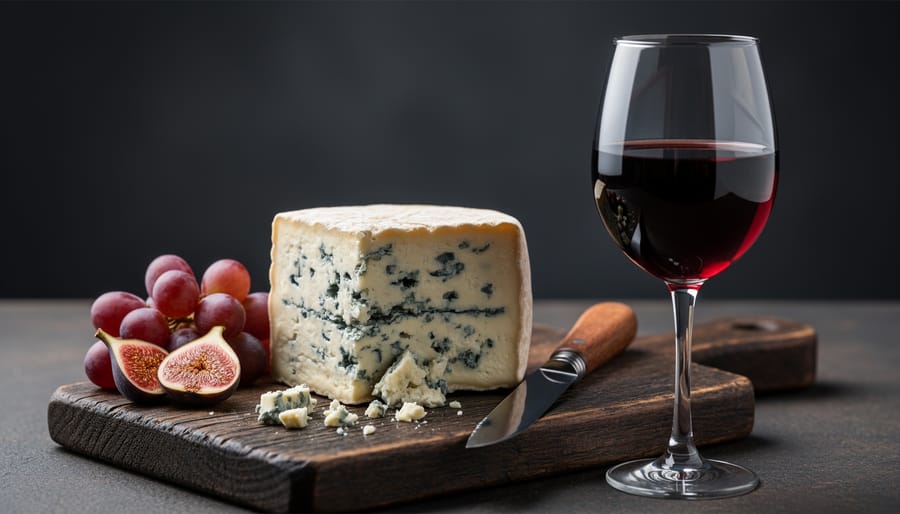
Gruyère’s nutty, slightly sweet profile creates a natural bridge to the buttery richness of oaked Chardonnay. This Swiss cheese, particularly when aged 12 months or longer, develops complex caramel and hazelnut notes that mirror the toasted oak and vanilla characteristics you’ll find in well-crafted California or Burgundian Chardonnay. The wine’s full body stands up to Gruyère’s firm texture, while its acidity cuts through the cheese’s creamy fat content without overpowering its subtle sweetness.
Aged Gruyère works best here, look for wheels marked “reserve” or aged 18 to 24 months. The cheese develops crystalline protein deposits that add a pleasant crunch and intensify the nutty flavors that harmonize with Chardonnay’s round, mouth-coating texture. Choose a Chardonnay with moderate oak influence rather than heavily buttered styles; you want complementary richness, not competing intensity.
This pairing shines in fondue applications. The wine’s weight matches molten cheese perfectly, and sipping Chardonnay between bites refreshes your palate without clashing with the warm, savory dish. If you’re building a broader pairing chart for entertaining, this combination offers Alpine sophistication that’s approachable for guests who prefer white wine with cheese.
8. Mozzarella and Pinot Grigio: Light and Bright
Fresh mozzarella and Pinot Grigio exemplify the beauty of restraint in wine pairing. This combination works because neither element overpowers the other, the cheese’s milky sweetness and delicate texture meet the wine’s crisp, clean mineral notes in perfect harmony.
Choose fresh mozzarella di bufala or creamy burrata for this pairing. The soft, pillowy cheese benefits from Pinot Grigio’s bright acidity, which refreshes the palate between bites without overwhelming subtle dairy flavors. Look for unoaked Pinot Grigio from northern Italy’s Friuli or Alto Adige regions, where the wine retains citrus and green apple notes.
This pairing shines at summer gatherings. Serve mozzarella with heirloom tomatoes, basil, and olive oil as a caprese salad, letting the wine cut through the richness while echoing the dish’s fresh simplicity. The light body of both cheese and wine makes this ideal for warm afternoons when heavier pairings feel too substantial.
For beginners, this pairing removes intimidation. You won’t face aggressive tannins or pungent cheese flavors. It teaches the fundamental principle that delicate foods need delicate wines. Once comfortable here, you can explore bolder matches like good Italian red wine with aged cheeses, building confidence through approachable successes first.
9. Comté and Pinot Noir: Burgundy’s Gift
Comté, aged in the cellars of France’s Jura mountains, brings a nutty, almost caramelized sweetness that pairs beautifully with Burgundy’s signature red, Pinot Noir. This is terroir harmony at its most refined: both come from neighboring French regions and share an elegant, earthy quality that makes the pairing feel inevitable.
Pinot Noir’s silky tannins and red fruit notes (think cherry, raspberry, sometimes forest floor) complement Comté’s umami-rich depth without overwhelming it. The wine’s natural acidity cuts through the cheese’s buttery texture, while the cheese amplifies the wine’s subtle complexity. It’s a pairing that rewards slow tasting, each bite reveals new layers.
Age matching matters here. Young Comté (around 6-12 months) works with lighter, fruit-forward Pinot Noir. As the cheese ages past 18 months and develops crystalline crunch and deeper nuttiness, reach for more structured Burgundies or aged Oregon Pinot Noirs. A 24-month Comté with a mature Côte de Nuits red is exceptional.
If you’re serious about exploring these nuances, you’ll learn at home by tasting different ages side by side. Buy a wedge of Comté, open a good Burgundy, and pay attention to how the flavors shift as both evolve on your palate. That’s where real understanding happens.
10. Pecorino and Sangiovese: Roman Holiday
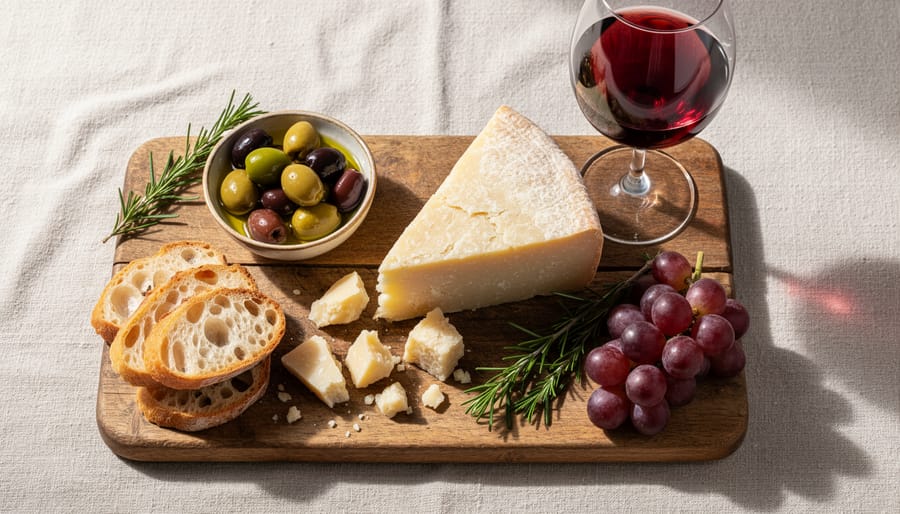
Pecorino Romano brings an assertive, salty punch that demands a wine with backbone, enter Sangiovese, Tuscany’s native grape that forms the heart of Chianti, Brunello di Montalcino, and numerous other Italian reds. This pairing exemplifies how bright acidity can tame bold saltiness. Sangiovese’s cherry and plum notes, combined with its characteristic high acidity and moderate tannins, slice through Pecorino’s sharp, sheepy intensity. The wine refreshes your palate between bites, preventing the cheese’s salt from overwhelming.
Romans traditionally serve this combination with fresh fava beans during spring, creating a rustic trio that balances protein, salt, and acidity. For a modern cheese board, shave thin ribbons of aged Pecorino over the platter and serve alongside a medium-bodied Chianti Classico or Rosso di Montalcino. The pairing works particularly well when the Pecorino has been aged at least eight months, developing those hard, crystalline salt deposits that signal peak flavor.
Temperature matters here: serve the cheese at room temperature and the wine slightly below, around 60-65°F. This contrast keeps the wine lively against the cheese’s richness. Once you master this classic, you might feel inspired to make wine at home and experiment with your own Sangiovese-style blends to pair with artisan cheeses.
Building Your Cheese and Wine Pairing Strategy
Now that you’ve explored these ten classic pairings, it’s time to put that knowledge into practice. Building a successful cheese and wine board isn’t about rigid rules, it’s about creating a balanced experience that invites exploration and suits your guests’ tastes.
Start by selecting three to five cheeses that span different textures and flavor intensities. You might choose one soft cheese (like Brie), one hard aged option (such as Parmesan or aged Cheddar), and one with bold character (blue cheese or tangy goat cheese). This variety gives everyone something to enjoy while demonstrating how different wines interact with different profiles. Aim for about two ounces of each cheese per person, which allows tasting without overwhelming palates or budgets.
Temperature matters more than most people realize. Pull your cheeses from the refrigerator at least an hour before serving, room temperature releases their full flavor and aroma. Meanwhile, serve whites and sparklers chilled (around 45-50°F), and reds slightly cool (60-65°F for lighter styles, up to 68°F for bigger wines).
Here’s how to approach the tasting itself:
- Start with 3-5 cheeses and vary textures and intensities across your selection
- Serve all cheeses at room temperature for optimal flavor development
- Taste from mild to strong to avoid overwhelming your palate early
- Cleanse your palate between pairings with water and plain bread or crackers
- Take notes on what you enjoy, your preferences matter more than any expert’s rules
Jane Calona emphasizes that these classics are your foundation, not your ceiling. Once you understand why aged Cheddar loves Cabernet (fat meets tannin) or why Brie shines with Champagne (richness meets acidity), you can experiment confidently. Try that funky washed-rind cheese with Gewürztraminer, or pair a local artisan cheese with a wine from the same region. In 2026’s dynamic wine culture, traditional knowledge and creative exploration go hand in hand. Trust your palate, taste thoughtfully, and remember that the best pairing is always the one that brings you joy.
What to Watch For
When you’re putting these pairings into practice, pay close attention to three variables that significantly impact your results: serving temperature, cheese age, and wine style within each category.
Temperature affects both elements dramatically. Overly cold cheese loses its nuance and texture, while wine served too warm amplifies alcohol and diminishes refreshing qualities. For wine, whites and sparklers shine at 45-50°F, while reds perform best at 60-65°F.
Cheese age matters more than most realize. Young goat cheese behaves differently with Sauvignon Blanc than aged chèvre does, the former highlights brightness, the latter emphasizes earthiness. Similarly, a six-month Manchego requires a lighter Rioja than an eighteen-month wheel does.
Wine style within a category creates variation too. An unoaked Chardonnay won’t mirror the Gruyère pairing that works beautifully with a buttery, oak-aged bottling. Chianti Classico and Chianti Riserva both partner with Parmesan, but they’ll emphasize different facets of the cheese. Taste attentively, adjust these three factors, and you’ll discover why the same pairing can feel entirely new each time.
Common Questions About Classic Cheese and Wine Pairings
Can I pair white wine with aged cheese?
Absolutely. White wines like oaked Chardonnay or aged Riesling work beautifully with nutty, complex aged cheeses such as Gruyère or aged Gouda. The key is matching intensity, look for fuller-bodied whites that can stand up to the cheese’s depth.
What if I don’t like one element of a classic pairing?
Trust your palate over tradition. If you dislike blue cheese, try a milder Gorgonzola dolce with Port instead of Stilton, or skip blues entirely and explore other sweet-savory contrasts. These classics are guidelines, not rules.
How do I serve cheese and wine for a party?
Arrange cheese from mildest to strongest, left to right. Serve everything at room temperature except sparkling wines. Provide separate knives for each cheese, small plates, and neutral crackers or bread that won’t overpower the pairings.
What’s the best pairing for someone new to wine?
Start with fresh mozzarella and Pinot Grigio or Brie with Champagne. Both combinations feature approachable flavors that highlight how wine and cheese complement each other without overwhelming a developing palate.
How much cheese and wine do I need per person?
Plan for two to three ounces of cheese total per person if serving before a meal, four to five ounces for a dedicated tasting. Pour three to four ounces of wine per pairing, allowing guests to compare and revisit their favorites.
Should I follow regional pairings strictly?
Regional pairings offer a reliable starting point because foods from the same area often share complementary characteristics. However, experimenting across regions can yield surprising successes, manchego with California Chardonnay works just as well as the traditional Rioja pairing.
These questions come up constantly when people plan their first cheese and wine tasting, and the answers all circle back to the same principle: understand the fundamentals, then adapt them to your situation. Classic pairings earned their status through centuries of trial and refinement, but they’re meant to guide you, not limit you. Once you grasp why aged cheddar loves Cabernet or why Port tames blue cheese, you can apply that logic to any pairing decision, whether you’re shopping for a formal event or improvising with what’s in your fridge on a Tuesday night.
These ten classic pairings give you a solid foundation, but here’s the truth: the best cheese and wine pairing is always the one you enjoy most. Wine should be personal, not prescriptive.
Use these combinations as your starting point, then trust your palate to guide you. If you prefer a crisp white with aged cheddar instead of the traditional Cabernet, that’s perfectly valid. Your taste preferences matter more than rigid rules.
What makes these classics valuable isn’t that they’re the only correct answers, it’s that they teach you the principles. Once you understand why sharp cheese works with tannic wine, or how acidity cuts through cream, you can apply those insights everywhere. You’ll start noticing patterns, developing instincts, and discovering combinations that feel uniquely yours.
That foundation opens exciting doors. Natural wines with funky cheeses. Orange wines with washed rinds. Skin-contact whites with alpine varieties. The wine world keeps evolving, and understanding the classics helps you navigate these contemporary trends with confidence rather than confusion.
Build your cheese board, pour generously, and pay attention to what delights you. Keep a mental note of combinations that spark joy, and don’t be afraid to break the rules once you know them.
Ready to explore beyond the classics? Our pairing guides cover everything from unconventional matches to seasonal cheese boards that showcase what’s new in wine.