 judy
judyWine education has transformed dramatically over the past decade, moving from intimidating tasting rooms and rigid classroom settings into your living room, where you can explore Burgundy’s terroir in your pajamas with a glass in hand. The democratization of wine knowledge means you no longer need to memorize French château names or feel embarrassed asking basic questions in front of strangers. Instead, quality wine classes now meet you where you are—whether you’re trying to understand why that $15 bottle from Trader Joe’s tastes better than the $40 one you impulsively bought, or you’re preparing for your sommelier certification.
The most effective wine education happens when theory meets practice immediately. Traditional classes often suffer from the “taste and forget” syndrome, where you sample wines during a session but can’t recreate that learning at home. Modern online wine classes flip this dynamic entirely. You purchase recommended bottles at your own pace, taste them in a comfortable environment without performance anxiety, and revisit lessons when that same varietal appears at a dinner party three months later.
What sets exceptional wine classes apart isn’t just the credentials of the instructor, though expertise matters tremendously. The real value lies in classes that build a framework for understanding wine rather than memorizing facts. You’ll learn to identify what you actually enjoy and why, decode wine lists with confidence, and make informed purchasing decisions that match your palate and budget. This practical approach to wine education empowers you to trust your own taste while developing the vocabulary to communicate your preferences—a skill that transforms every wine experience, from casual weeknight dinners to special celebrations.
The Old Wine Class Experience (And Why It Intimidated So Many)
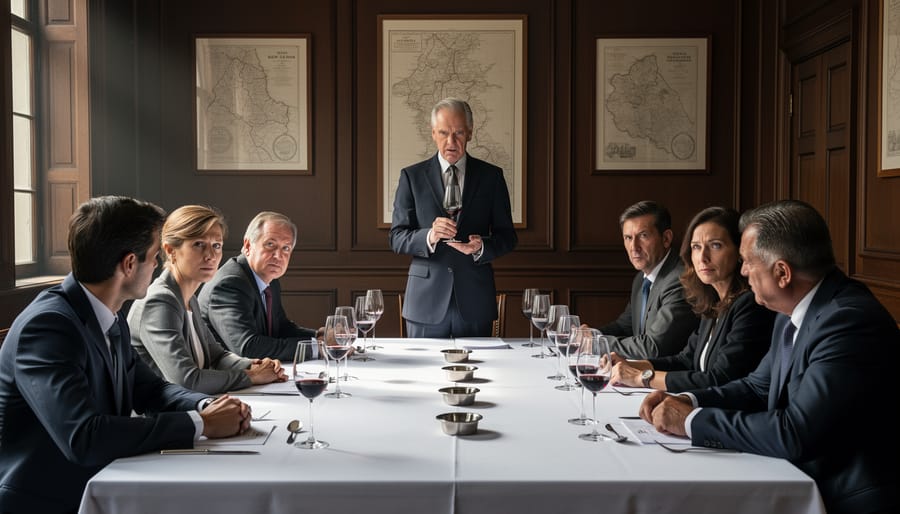
For decades, traditional wine education meant one thing: showing up to a formal tasting room where someone in an impeccably pressed suit would swirl, sniff, and speak in a language that felt designed to exclude rather than include. These conventional classes, while well-intentioned, created an atmosphere that intimidated countless would-be wine lovers before they even took their first sip.
The barriers started with logistics. In-person wine classes typically cost anywhere from $75 to $300 per session, not including the babysitter you’d need to hire or the evening you’d sacrifice after an already exhausting workday. If you lived outside a major metropolitan area, your options dwindled to perhaps one local wine shop offering occasional sessions, or nothing at all. Geographic limitations meant that quality wine education remained a privilege of city dwellers with disposable income and flexible schedules.
But the real deterrent wasn’t just practical—it was psychological. Traditional wine classes often carried an air of exclusivity that made beginners feel inadequate. The vocabulary alone could trigger anxiety: was it bouquet or nose? Should you detect blackcurrant or cassis? One wrong comment in a room full of seemingly knowledgeable enthusiasts, and you risked looking foolish. This fear of judgment kept many people from ever attempting to deepen their wine knowledge, despite genuine interest.
The rigid format didn’t help either. Arrive at 7 PM sharp, taste what was poured, keep pace with the group, and hope the instructor covered topics relevant to your interests. If you wanted to revisit a particular grape variety or needed extra time understanding tannins, too bad. The class moved on, and so did your opportunity to truly absorb the lesson.
Jane Calona observed this disconnect firsthand throughout her years in the industry. The traditional model, she recognized, wasn’t designed for genuine learning—it was built around convenience for instructors and venues, not students. This realization would eventually inspire a completely different approach to wine education, one that prioritizes accessibility and comfort over intimidation and exclusivity.
What Makes Online Wine Tasting Classes Different
Learning Without the Pressure
One of the most liberating aspects of online wine classes is the pressure-free environment they create. Let’s be honest—many of us have sat in traditional tastings, afraid to admit we’re detecting “notes of leather” in a wine when everyone else is nodding knowingly. Online learning changes this dynamic entirely.
In virtual settings, you can pause, rewind, and revisit concepts without feeling self-conscious. That question you’re hesitant to ask in a room full of experienced tasters? You can research it independently or pose it anonymously in online forums. Jane Calona emphasizes that wine education should never feel intimidating: “There are no stupid questions in wine—only opportunities to deepen your understanding.”
The asynchronous nature of many online classes means you can progress at your own pace. Struggling with the difference between Old World and New World styles? Take an extra week. Already familiar with basic varietals? Skip ahead to more advanced topics. This personalized approach eliminates the anxiety of keeping up with a classroom pace that might not suit your learning style.
Without the scrutiny of a physical classroom, beginners often feel more confident experimenting with their palates and developing opinions that might differ from traditional perspectives.
Access to World-Class Instructors
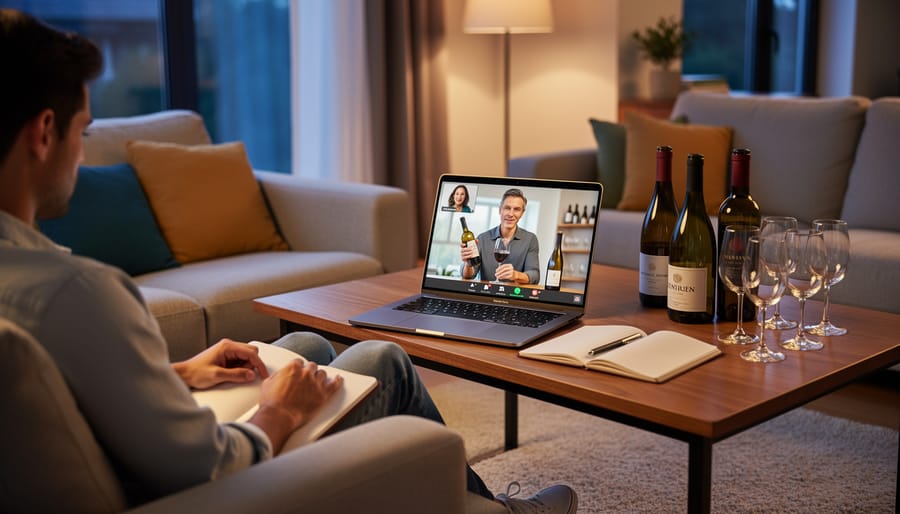
One of the most exciting developments in online wine education is the democratization of access to top-tier instructors who were once available only to those who could attend exclusive in-person seminars or travel to prestigious wine regions. Now, whether you’re sipping wine in Sydney or savoring a glass in Seattle, you can learn directly from renowned experts without leaving your living room.
Jane Calona, whose decades of experience span vineyard management to wine journalism, exemplifies this new accessibility. Through online platforms, she shares insights that would typically require attending costly international workshops or enrolling in formal sommelier programs. Her teaching approach breaks down complex concepts like terroir influence and fermentation chemistry into digestible lessons that resonate with both newcomers and experienced enthusiasts.
This geographic flexibility means you’re no longer limited to whoever teaches locally. Instead, you can choose instructors based on their specific expertise, teaching style, and areas of specialization. Want to understand natural wine movements? There’s an expert for that. Curious about climate change’s impact on viticulture? You’ll find knowledgeable voices ready to guide you.
The interactive nature of these platforms often surprises students. Many courses feature live Q&A sessions, personalized feedback on tasting notes, and community forums where learners connect with instructors directly. This level of engagement rivals traditional classroom settings while offering the convenience of flexible scheduling. You’re not just watching pre-recorded lectures; you’re building relationships with mentors who genuinely care about your wine education journey, making world-class instruction feel remarkably personal and approachable.
What You’ll Actually Learn in Online Wine Classes
The Fundamentals: Tasting, Smelling, and Describing
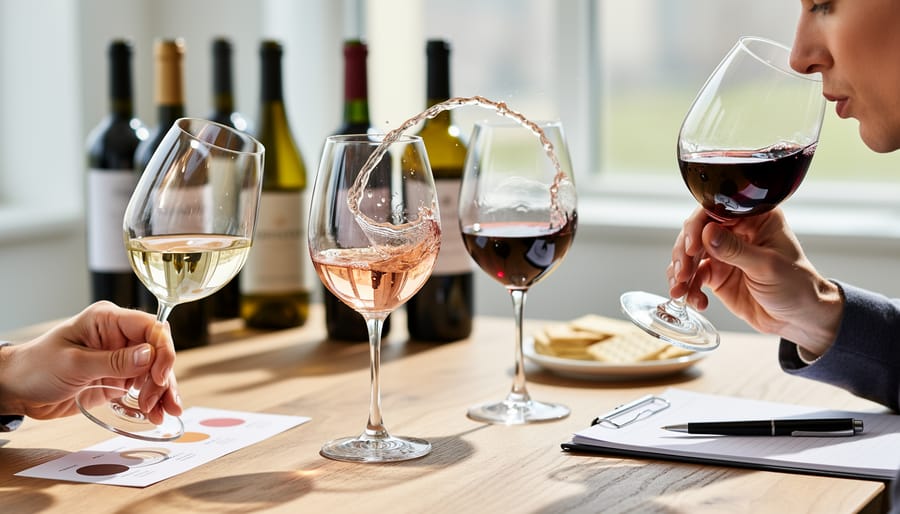
Before you can appreciate the difference between a Burgundy and a Bordeaux, you need to train your senses—and that’s precisely where beginner wine courses begin. Think of it as learning a new language, except instead of conjugating verbs, you’re identifying whether that fruity note is more blackberry or black cherry.
The foundation starts with proper tasting technique. You’ll learn the four-step process: observe the wine’s appearance, swirl to release aromatics, smell deeply to identify scents, and finally taste while paying attention to flavor, body, and finish. Jane Calona emphasizes that everyone starts with the same ability—there’s no such thing as a “natural” wine taster. It’s simply about practice and paying attention.
Beginner courses demystify tasting notes without the pretension. When someone describes “earthy undertones with hints of tobacco,” they’re not showing off—they’ve trained themselves to isolate specific aromas. You’ll discover that wine vocabulary isn’t about exclusivity; it’s a practical tool for communicating what you’re experiencing. Courses typically introduce aroma wheels and flavor categories, helping you move beyond “I like it” to understanding why you like it.
The best part? These skills develop faster than you’d expect. Most students report significant improvement within just a few tasting sessions. You’re not aiming for perfection—you’re building confidence to explore wines independently and articulate your preferences, whether you’re shopping at your local wine store or simply enjoying a glass at home.
Wine Selection and Pairing Strategies
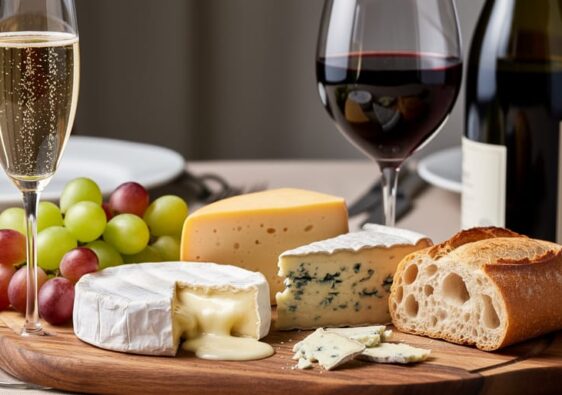
Understanding wine selection transforms every meal into something memorable. Quality wine classes demystify the pairing process, teaching you to match wines with occasions rather than simply following rigid rules. You’ll learn that successful pairing balances weight, intensity, and flavor profiles—a crisp Sauvignon Blanc cuts through rich, creamy pasta, while a bold Cabernet Sauvignon stands up to grilled steak.
Jane Calona emphasizes that wine selection starts with understanding your own palate preferences before consulting traditional guidelines. Modern wine education encourages experimentation. Try regional pairings—Italian wines with Italian cuisine often work beautifully because they evolved together. Consider the dominant flavors in your dish rather than just the protein. That herb-crusted chicken might pair better with an aromatic white than a light red.
For everyday occasions, you’ll discover versatile crowd-pleasers like Pinot Noir and unoaked Chardonnay that complement various dishes. Special celebrations call for understanding Champagne styles or exploring premium bottles. Wine classes provide frameworks for navigating wine shops confidently, decoding labels, and making informed choices within any budget. This practical knowledge eliminates guesswork and elevates your hosting skills, making wine selection an enjoyable part of meal planning rather than an intimidating challenge.
Regional Knowledge and Winemaking Basics
Understanding where your wine comes from transforms you from a casual sipper into a confident buyer. Quality wine classes dedicate substantial time to exploring major regions like Bordeaux, Burgundy, and Napa Valley, teaching you why location matters so dramatically. You’ll discover how climate, soil composition, and elevation influence flavor profiles, making Pinot Noir from Oregon taste distinctly different from its Burgundian counterpart.
Jane Calona emphasizes that grape variety knowledge is equally essential. Learning the characteristics of key varietals like Cabernet Sauvignon, Chardonnay, and Syrah helps you predict what you’ll enjoy before even opening a bottle. The best courses connect these dots, explaining why certain grapes thrive in specific regions and how winemakers coax out particular flavors.
Production methods round out this foundational knowledge. Understanding fermentation processes, oak aging, and blending techniques demystifies wine labels and pricing. When you grasp why barrel-aged wines cost more or how malolactic fermentation creates that buttery Chardonnay texture, you’re equipped to make informed purchasing decisions that align with your preferences and budget. This regional and technical knowledge doesn’t just enhance appreciation; it saves money by helping you identify quality wines at every price point.
How to Choose the Right Wine Class for Your Level
For Complete Beginners
Starting your wine education journey should feel inviting, not intimidating. The best introductory courses recognize that you’re beginning from scratch and structure their content accordingly. Look for instructors who take a friendly, patient approach—someone like Jane Calona, who understands that wine appreciation develops gradually through experience, not memorization.
Your ideal beginner course should cover the fundamentals without drowning you in technical details. You’ll want content that explains the major grape varieties, basic tasting techniques, and how to read wine labels—all presented in digestible segments. Avoid courses that immediately dive into chemistry or complex terroir discussions; those topics become fascinating later, but initially they can feel overwhelming.
Pay attention to how courses explain terminology. The right class introduces words like tannin, acidity, and body within context, helping you understand what you’re actually tasting rather than just learning definitions. Interactive elements matter too—courses that encourage you to taste along with lessons, even with affordable supermarket wines, create more meaningful learning experiences than passive video watching.
Most importantly, choose courses that celebrate curiosity over expertise. You’re learning to enjoy wine more fully, not training to become a sommelier on day one.
For Intermediate Wine Lovers
Once you’ve mastered the basics, it’s time to explore the nuances that transform casual sippers into confident wine enthusiasts. Intermediate courses let you dive deep into specific territories that spark your curiosity—whether that’s understanding why Burgundy Pinot Noir tastes so different from Oregon’s version, or decoding the minerality everyone talks about in Chablis.
Specialized regional courses are particularly valuable at this stage. You might focus on classic areas like Bordeaux or Tuscany, learning how terroir, climate, and winemaking traditions shape each bottle. Varietal-focused classes work beautifully too, allowing you to compare how Cabernet Sauvignon expresses itself across different continents.
Advanced tasting techniques become crucial here. These courses teach you to identify specific aromas—distinguishing between green pepper and black pepper notes, or recognizing oak aging characteristics. You’ll learn systematic approaches to evaluation that professionals use, including structured note-taking methods.
Jane Calona emphasizes that intermediate learners benefit most from courses offering comparative tastings and regional case studies. Online formats excel here, letting you pause during lessons to research specific producers or revisit complex concepts. Look for programs that include wine pairing exploration and introductory sommelier-level content to bridge your journey toward true expertise.
For Serious Enthusiasts and Aspiring Professionals
For those serious about turning wine passion into profession, certification programs offer structured pathways to expertise. The Court of Master Sommeliers and Wine & Spirit Education Trust provide globally recognized credentials that can launch careers in restaurants, hotels, and wine retail. These rigorous programs demand dedication—expect hundreds of hours studying viticulture, blind tasting protocols, and service techniques.
Jane Calona notes that many aspiring sommeliers now begin their journey online before committing to in-person examinations. Digital platforms like the Society of Wine Educators offer preparatory courses that let you master theory at your own pace, practicing blind tastings with shipped sample kits. This hybrid approach makes professional training more accessible than ever, though nothing replaces the intensity of immersive workshops where you’ll taste dozens of wines daily and defend your assessments before master sommeliers. If you’re contemplating this path, start with intermediate certifications to gauge your commitment before investing in advanced levels.
Making the Most of Your Online Wine Education
Setting Up Your Tasting Environment
Creating your home tasting environment doesn’t require a sommelier’s budget or a wine cellar. Jane Calona emphasizes that successful online wine education hinges on thoughtful preparation rather than expensive equipment. Start with adequate lighting—natural light works best for evaluating color and clarity. Choose a neutral space free from strong cooking odors or perfumes that might interfere with your olfactory experience.
Your essential toolkit includes quality stemware (at least six identical glasses), a reliable corkscrew, and a spittoon or dump bucket for when you’re tasting multiple wines. A notebook dedicated to tasting notes proves invaluable for tracking your sensory development throughout the course.
Sourcing wines presents an exciting challenge. Many online courses provide suggested lists aligned with each module, giving you flexibility to shop locally or online. Consider joining a wine club that ships directly to your door, or develop relationships with local wine merchants who can guide your selections. Budget approximately fifty to seventy-five dollars monthly for coursework wines, though this varies by program level.
Pro tip from Jane: Purchase wines in pairs when possible. Tasting the same wine on different occasions reveals how your palate evolves and builds confidence in your assessment abilities.
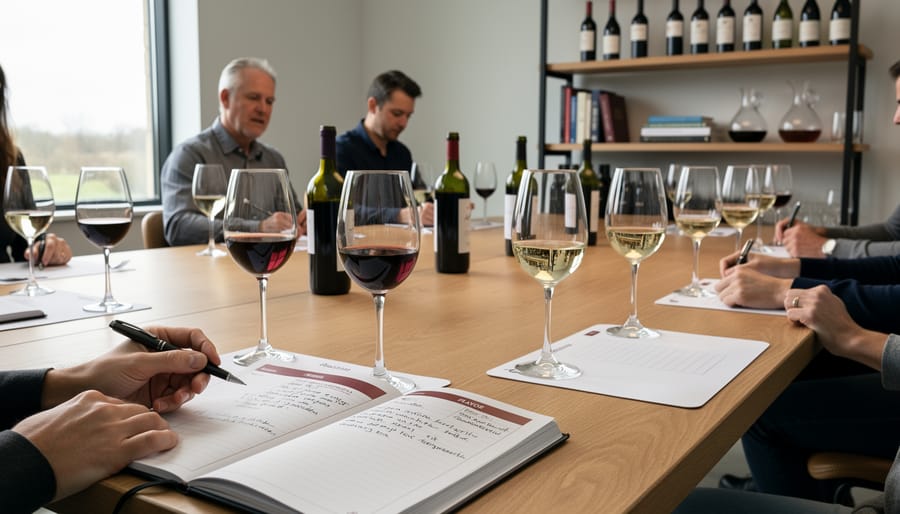
Taking Notes and Building Your Wine Journal
One of the most valuable habits you’ll develop in wine classes is systematic note-taking. Think of your wine journal as a personal flavor library that grows more valuable with each tasting. Jane Calona often emphasizes that even seasoned professionals rely on detailed notes because, let’s face it, remembering the nuances of hundreds of wines is impossible without documentation.
Start simple with the basics: wine name, vintage, region, and date tasted. Then move into sensory observations. Describe what you see (color intensity, clarity), smell (fruit, earth, oak), and taste (body, tannins, acidity, finish). Don’t worry about using flowery language—if a wine reminds you of your grandmother’s cherry pie, write that down. These personal associations make notes memorable and meaningful.
Many online wine classes provide structured tasting sheets, which help standardize your approach while you’re developing your palate. Digital tools like wine apps can streamline the process, letting you photograph labels, log ratings, and track your evolving preferences. However, there’s something special about a handwritten journal that encourages deeper reflection.
Beyond individual wines, note what you enjoyed about specific pairings, occasions, or price points. Over time, patterns emerge. You’ll discover you gravitate toward mineral-driven whites or fruit-forward reds, making future purchasing decisions easier and more confident. Your journal becomes a roadmap to understanding your unique palate, transforming wine from a mystery into a personalized adventure you can navigate independently.
Beyond Traditional Wine Topics: Modern Wine Education
Today’s wine education has evolved far beyond identifying tannins and memorizing French appellations. Contemporary online wine classes are breaking new ground by exploring how wine intersects with our modern lifestyles in ways traditional classroom settings never imagined.
Jane Calona has observed a significant shift in what students want to learn. “People aren’t just asking about vintage charts anymore,” she explains. “They’re curious about natural wines, biodynamic practices, and how their wine choices align with their wellness values.” This evolution reflects broader cultural changes in how we approach food, health, and conscious consumption.
Modern online courses now tackle questions that would have seemed unconventional just five years ago. Can wine fit into a mindful drinking approach? How do low-intervention wines differ from conventional options? What’s the real story behind wine and wellness trends? These aren’t fringe topics—they’re central to how younger generations engage with wine culture.
Some cutting-edge programs even explore emerging intersections like CBD-infused beverages and how cannabis legalization is influencing wine industry trends. While traditional sommelier courses stick to established protocols, online education embraces these contemporary conversations without judgment or pretension.
The format matters too. Online classes allow instructors to update content quickly, reflecting real-time shifts in consumption patterns. When rosé surged in popularity or orange wines became mainstream, digital platforms adapted immediately. Traditional curricula, bound by rigid syllabi, often lag years behind.
This responsive approach particularly resonates with learners who see wine as part of a holistic lifestyle rather than an isolated subject. Whether you’re exploring sustainable viticulture, understanding natural wine movements, or simply curious about how wine culture is changing, today’s online education meets you exactly where your interests lie.
The beauty of online wine education lies in its fundamental promise: wine knowledge should never feel intimidating or exclusive. What once required expensive courses, travel to wine regions, or membership in exclusive tasting clubs is now accessible from your kitchen counter. This democratization of wine education means that whether you’re curious about pairing wine with Tuesday night dinner or dreaming of becoming a certified sommelier, the path forward is clearer and more welcoming than ever before.
Throughout our conversation with Jane Calona and exploration of modern wine education, one theme emerges consistently—learning about wine should amplify your enjoyment, not diminish it with anxiety or pretension. The right online course meets you where you are, whether that’s struggling to distinguish Chardonnay from Sauvignon Blanc or ready to explore biodynamic winemaking practices. The flexibility, affordability, and practical focus of virtual learning remove the traditional barriers that kept wine education feeling out of reach for so many.
If you’ve been hesitating to begin your wine education journey, consider this your invitation. The courses available today respect your schedule, your budget, and most importantly, your genuine curiosity. Start with a beginner-friendly program, pour yourself a glass, and discover that wine education isn’t about memorizing facts—it’s about deepening your appreciation for what’s already in your glass. The confidence you’re seeking is just a few tastings away, and the community waiting to welcome you is more approachable than you might imagine.